
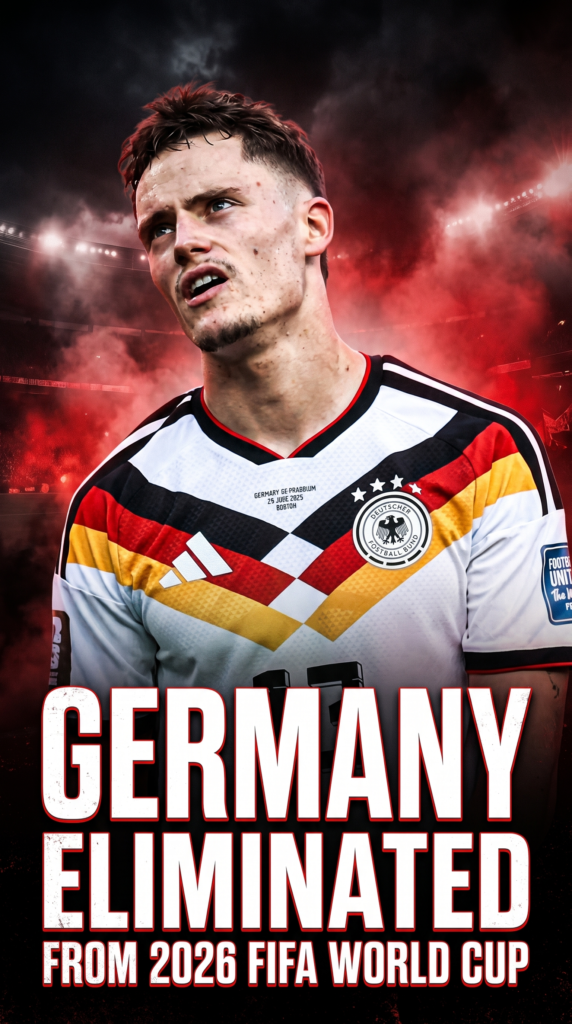
Germany exits World Cup after penalty shootout loss to Paraguay
Two things can be true at once. Germany were close. And Germany were nowhere near good enough.
That’s the ugly little contradiction hanging over this match, the one that will stick in the throat for a long time. A side with a World Cup reputation built on nerve, control, and an almost irritating habit of surviving the biggest moments finally ran into a wall. Paraguay didn’t just beat them. They dragged them into a mess, kept their heads when it got wild, and walked out with the kind of win people still talk about years later.
I watched the swing in real time, and honestly, it felt a bit unreal. One minute Germany were pushing, prodding, looking like the only team that had read the script. The next, they were chasing the game, arguing with the referee, and staring at the penalty spot like it had personally betrayed them.
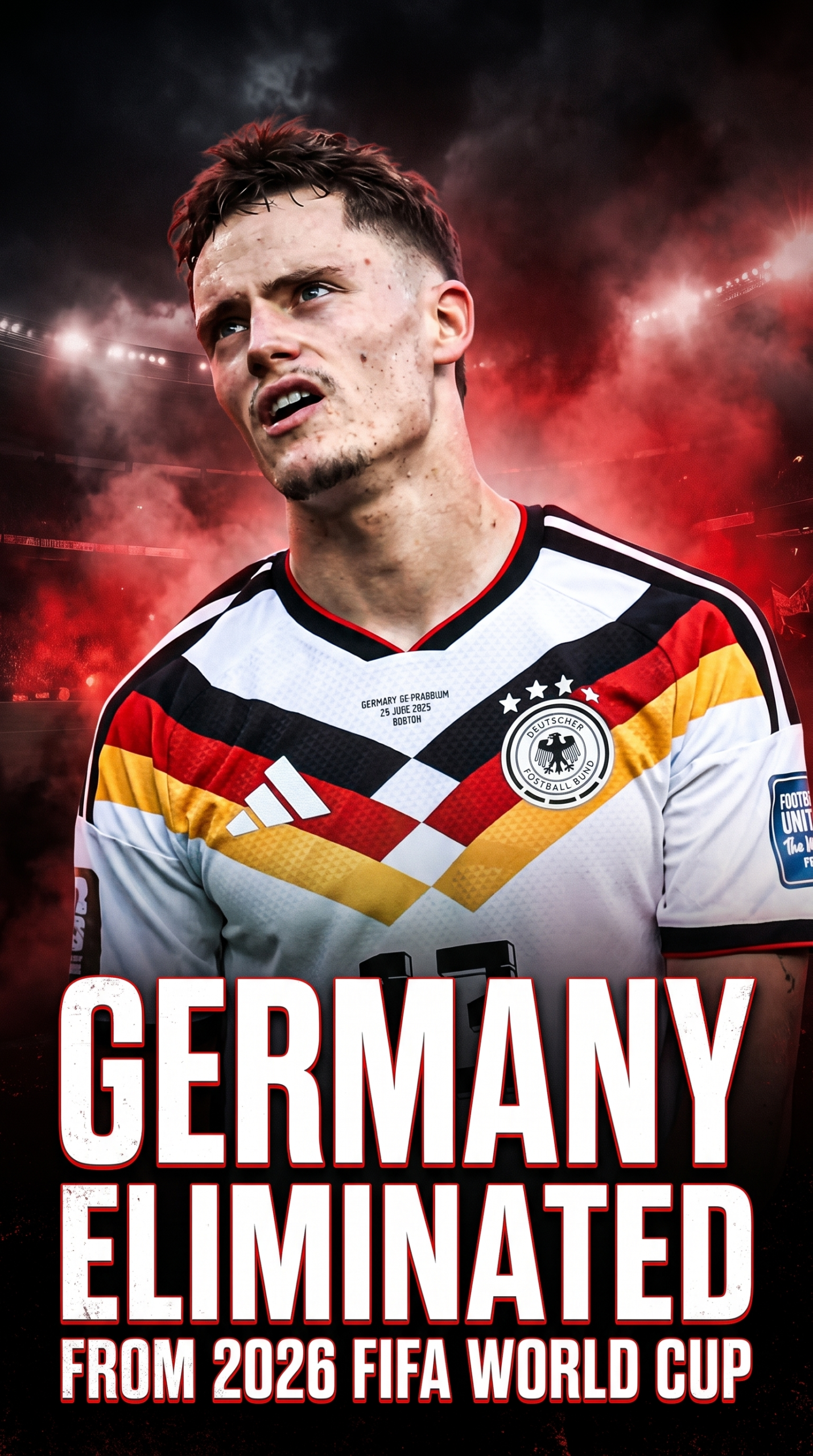
The night Germany were supposed to control
Germany came in with the usual weight on their shoulders. That shirt does a lot of talking before kickoff even starts. People expect calm possession, clean movement, maybe one of those tidy tournament wins where they squeeze the life out of a match and everybody else just sighs.
That didn’t happen.
Instead, Paraguay made the game scrappy in the best possible way. Not ugly for the sake of it. Structured ugly. The kind that forces a better team to think a little too much. Germany had the ball, sure, but they didn’t always have the answers. A few passes looked silky enough. Then the final action arrived, and the whole thing turned blunt.
What surprised me most was how often Germany’s attacks seemed to stop one step before the danger zone. The build-up was there. The finish wasn’t. That gap matters. It always does.
And then Paraguay scored.
The opener changed everything
Julio Enciso’s header came from space Germany simply shouldn’t have left behind. It was one of those goals that looks simple only after it goes in. Before that, it’s a warning sign. After that, it’s a problem.
Germany’s marking was poor. Really poor. Enciso was left unmarked on the penalty spot, which is the football version of leaving your front door open and acting surprised when someone walks in. The finish was clean, the movement smart, and suddenly the mood flipped. Paraguay had their moment, and Germany had to start all over again.
That goal also stretched Germany’s miserable run of conceding in World Cup matches, which is the sort of statistic that becomes impossible to ignore once it starts circling the broadcast graphics. It doesn’t just tell you they’re unlucky. It says the same defensive cracks keep coming back, dressed differently each time.
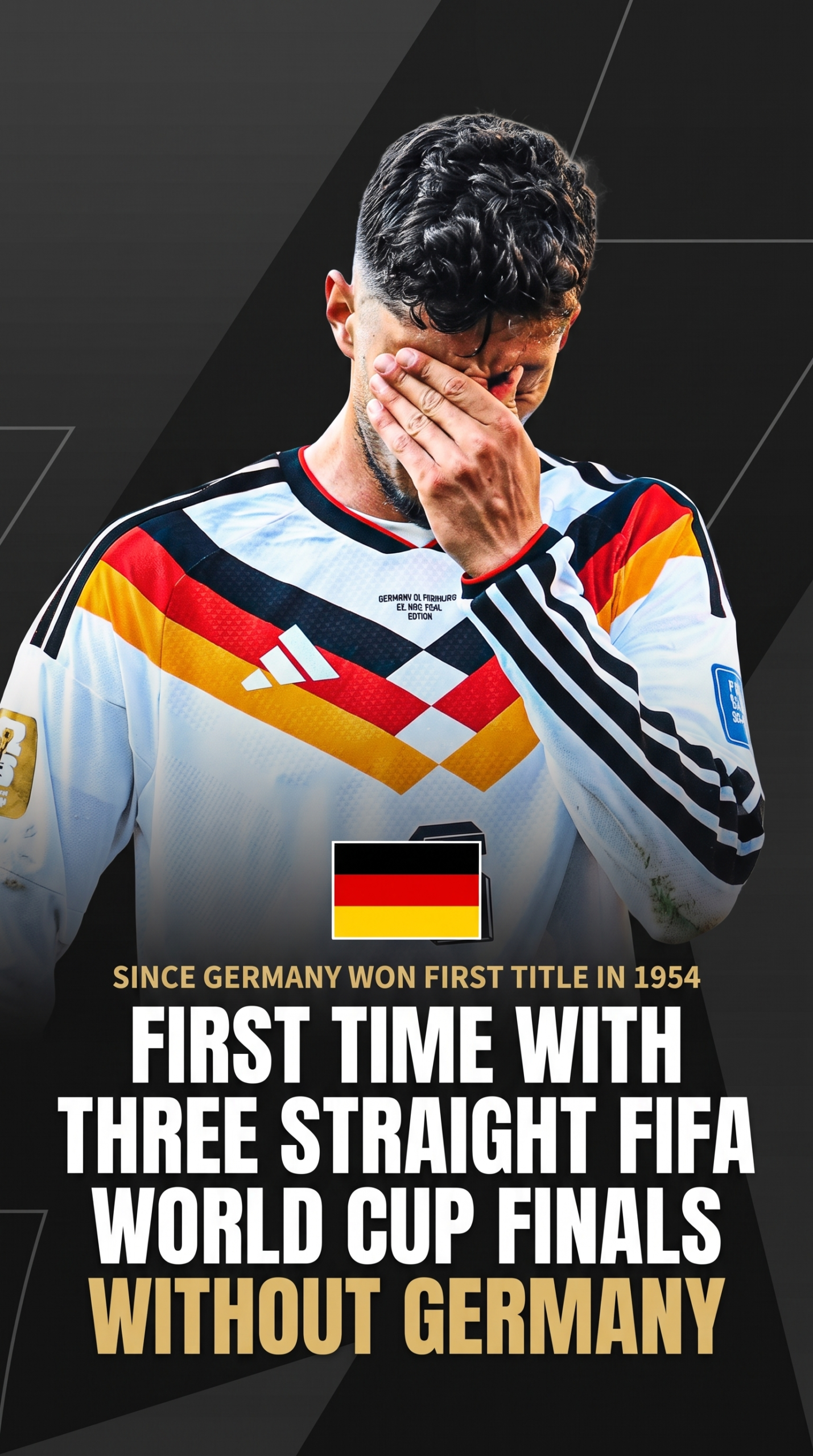
Germany did respond, though. You’d expect them to. They’re Germany.
Kai Havertz brought them level with a header of his own, and for a while it felt like the old pattern might return: pressure, equaliser, control, eventual escape. That feeling lasted a bit too long in the air, which is usually a bad sign. Games like this have a way of punishing anyone who assumes the bigger badge will sort things out.
Which brings up something I probably should have mentioned earlier—World Cup football doesn’t care about brand names. Not one bit. It punishes drift. It punishes hesitation. It punishes teams that think reputation is a tactic.
Germany found that out the hard way.
Why the VAR call got everybody talking
This was the point where the match started to feel like three different games stitched together.
Germany thought they had scored a winner in extra time through Jonathan Tah. The celebration was there. The relief was there. The sense of “that’s probably it” was there too, which is always dangerous because football loves to slap that optimism straight across the face.
Then VAR stepped in.
The goal was disallowed after a review, with Waldemar Anton judged to have interfered with goalkeeper Orlando Gill. People will argue about that call for ages, and I get why. In real time, it didn’t look like some clear, outrageous offense. It looked like one of those moments that can go either way depending on how tightly the officials want to read the contact.
That’s the messy part. VAR is supposed to clean up obvious errors. Instead, it often drags everybody into the grey area. And grey, as a rule, is where arguments breed.
I’m not saying the referee had an easy night. He didn’t. But the decision changed the whole temperature of the contest. Germany thought they were through, then they weren’t, and from there the air in the stadium felt weirdly thin.
Penalties: where old habits die loudly
Germany used to have a reputation for this part of the game. Not just decent at penalties. Cold. Methodical. Annoyingly composed. The kind of team that made shootouts feel like paperwork.
Not this time.
Their first miss opened the door for Paraguay. Havertz couldn’t convert, and that alone put pressure on everything that followed. Joshua Kimmich, Jamal Musiala, Nadiem Amiri — the usual rhythm of confidence never quite settled. Some penalties were struck well. Some were saved. Some were missed so badly they almost looked like panic kicks from a training ground drill gone sideways.
Nick Woltemade’s effort was stopped too, and Jonathan Tah, after having that earlier goal ruled out, sent his kick over the bar. That one hurt in a different way. Not just because it missed, but because it felt like football had picked the most brutal possible character arc for him.
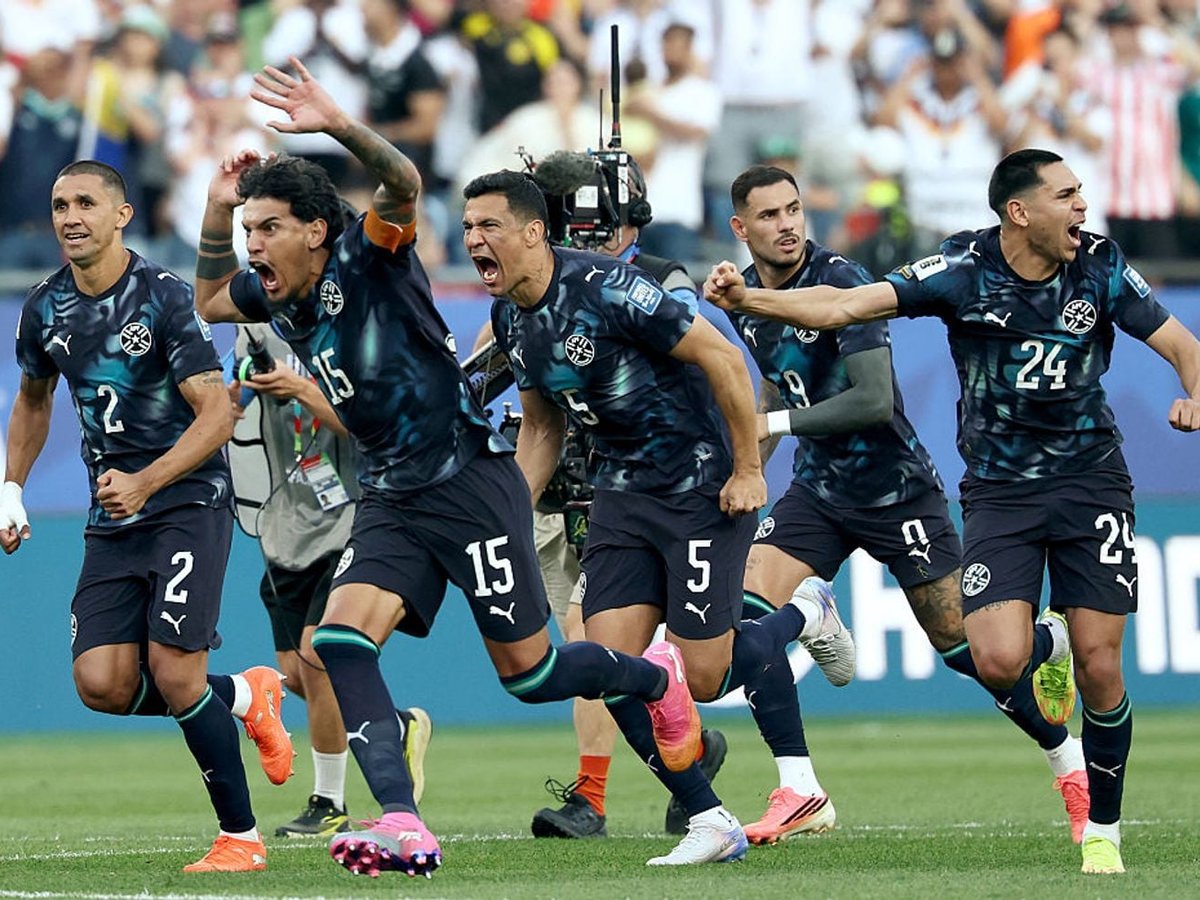
Paraguay, for their part, stayed weirdly steady. Not flawless. Not at all. Antonio Sanabria missed a chance to finish it, and even then the match still refused to settle. Manuel Neuer saved one penalty, which should have shifted the story again, but it only postponed the inevitable by a heartbeat or two.
Then Jose Canale stepped up and buried the winner.
That was it. No rescue. No twist. No German escape act this time.
What Germany got wrong, really wrong
There’s always a temptation after a match like this to focus on the penalty shootout as if it were some separate event, detached from the rest of the football. It isn’t. The shootout exposes what came before it.
Germany’s issue wasn’t only the missed penalties. It was that they allowed the game to drift into a coin flip.
Their defensive structure was shaky in key moments. Their attacking patterns lacked enough bite. Their midfield sometimes looked neat without being nasty, which sounds harsh but is true. Tournament football rewards teams that can be tidy and difficult at the same time. Germany were only half of that.
Julian Nagelsmann tried to adjust. He changed shapes. He shuffled personnel. He looked for more balance and a bit more protection when possession broke down. Fair enough. Coaches have to try something. But the team never really settled into one clear identity during the match, and that uncertainty mattered.
A small tangent, since it keeps coming back to me: I once watched a youth coach spend ten minutes telling his players to “play with confidence,” and the team spent the next half doing exactly the opposite. This match had a bit of that energy. Good intentions. Messy execution. Very little calm in the decisive zones.
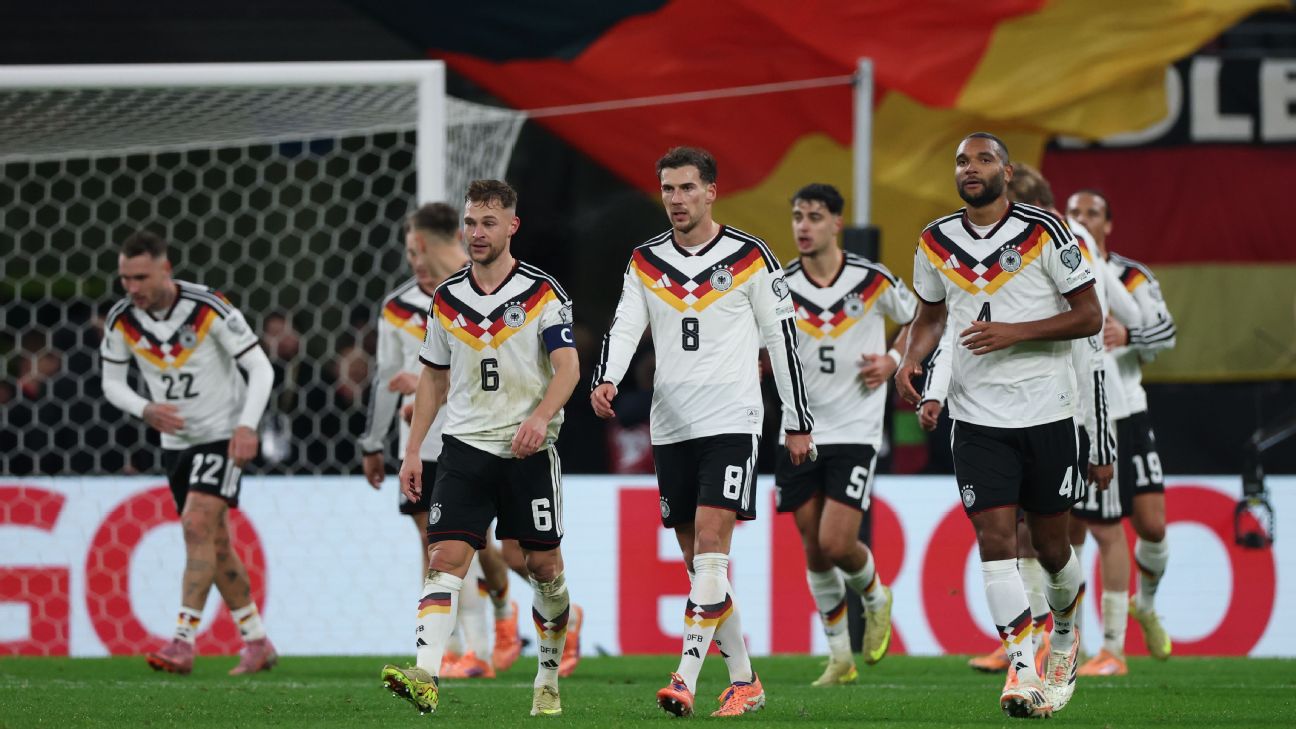
Paraguay didn’t just survive. They earned it
It would be lazy to frame this as Germany collapsing in a vacuum. Paraguay were excellent in the moments that mattered.
Enciso was a live wire. Miguel Almiron gave them intelligence and quick feet in tight spaces. Gustavo Gomez led with authority. Orlando Gill made big saves and seemed to grow more confident with each round of pressure. Even when Paraguay missed chances to end it earlier, they didn’t lose their shape.
That matters. A lot.
Teams don’t win shootouts by accident. They win them by staying alive long enough for the pressure to swing. Paraguay did exactly that. They looked uncomfortable at times, yes, but not panicked. There’s a difference, and it’s a sharp one. Panic spreads. Uncomfortableness can be managed.
Germany never quite made Paraguay rush.
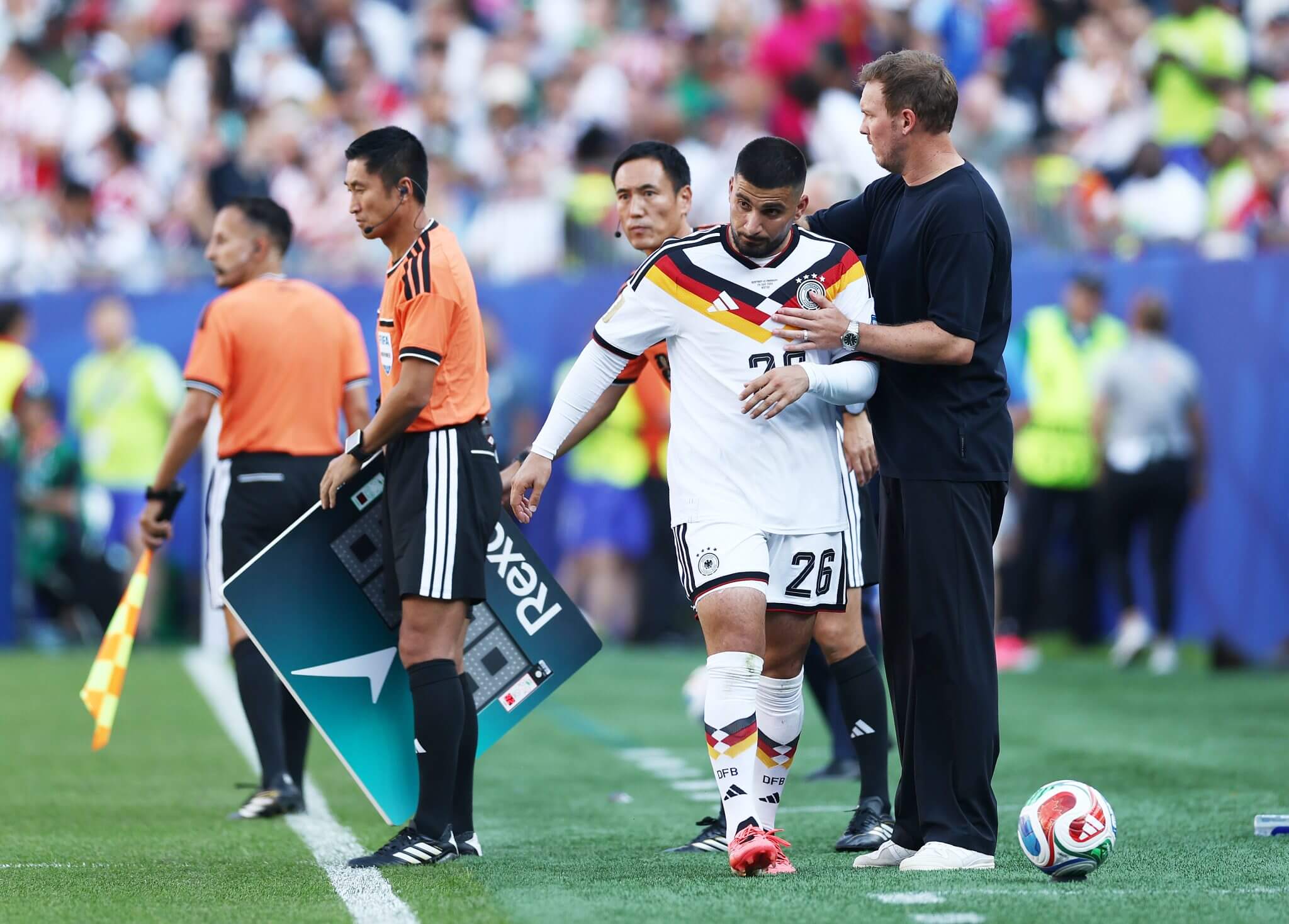
The larger problem Germany can’t duck
This loss won’t be filed away as a freak result, not if you’ve been paying attention to Germany’s tournament record over the last decade-plus. The decline has been gradual, then sudden, then awkwardly normal. That’s the worst kind.
Since the glory run that ended with the 2014 title, Germany’s knockout pedigree has looked less like a guarantee and more like a memory. They’ve had individual talent. Plenty of it. But talent alone doesn’t win these matches when the structure wobbles and the margins tighten.
The public reaction will be fierce. It always is. German football doesn’t really do gentle self-assessment after a failure like this. The debates will be loud: selection choices, midfield balance, the over-reliance on certain attacking profiles, the question of whether they’ve become too technical for their own good and not physical enough when the game turns brutal.
Some of those arguments will be fair. Some will be overdone. That’s football discourse for you. A bit of truth, a bit of theatre, and a lot of shouting.
What won’t be overdone is the verdict that this was not good enough.
One more thing about legacy
There’s a weird little emotional layer to Germany exits like this. People don’t just react to the result. They react to the memory of what Germany used to represent. Control. Ruthlessness. A certain dead-eyed calm in shootouts. If you grew up watching them, the shock isn’t only that they lost. It’s that they lost in the very area where they were once terrifying.
And yes, legacy can become a trap. It raises expectations so high that anything short of control feels like decline. But sometimes the legacy is useful because it tells the truth faster than the match report does. Germany were expected to handle this. They didn’t. Paraguay were expected to suffer. They didn’t.
That’s the whole story, really.
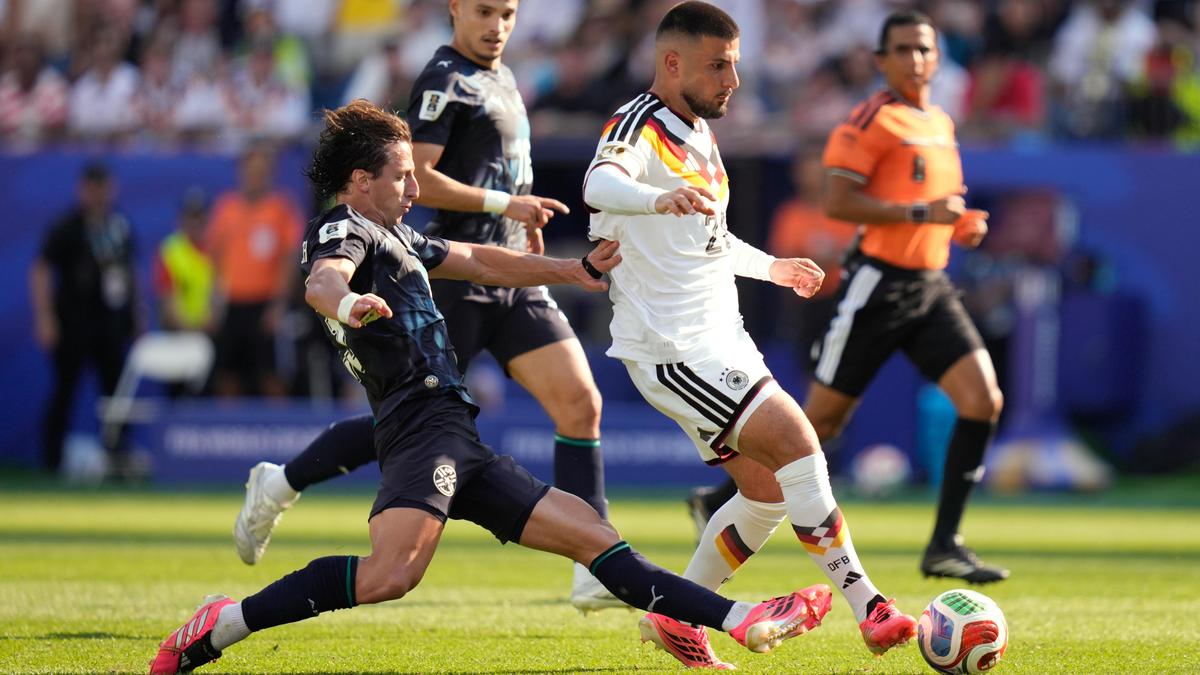
What comes next?
For Germany, the post-match conversation will be relentless. That part is unavoidable. The staff will have to explain the tactical calls, the selection ideas, and why the team never quite looked stable enough when the pressure climbed. The players will have to sit with missed chances and missed penalties. Nobody enjoys that. Nobody should.
For Paraguay, this is the kind of result that changes the mood around a national team. It becomes part of the country’s football memory instantly. Kids will hear about it. Fans will replay it. Journalists will revisit it. And yes, somewhere years from now, somebody will still be talking about that shootout and saying, “Remember when Paraguay knocked Germany out?”
Because that’s how shocks work. They don’t stay in the moment. They linger.
And this one? It’ll linger a while.
