
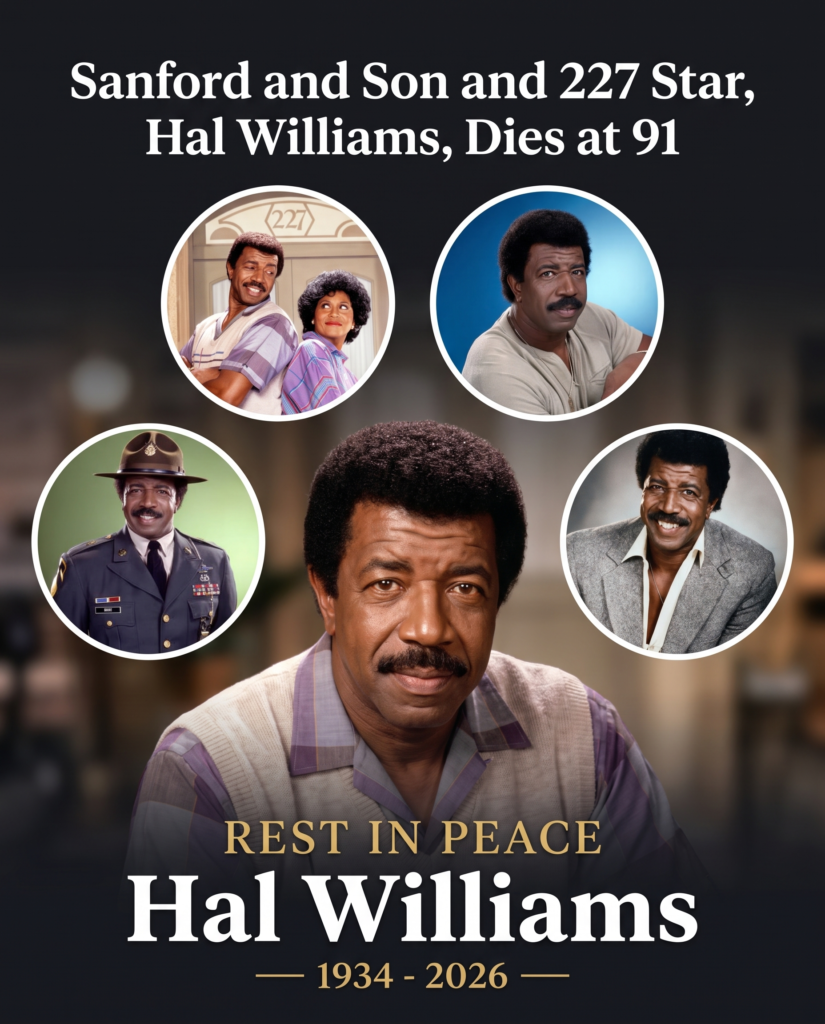
Hal Williams ‘Sanford and Son’ and ‘227’ dies at 91: what’s confirmed about the cause of death
Hal Williams, the American actor many folks remember from Sanford and Son and 227, has died at the age of 91. His representative confirmed that he died on July 15 at his home in California.
That’s the clear, confirmed part.
The piece many readers are searching for — the cause of death — has not been publicly detailed in full, at least based on the reporting available so far. So if you guys are looking for a precise medical cause, it hasn’t been broadly disclosed. And honestly, that distinction matters.
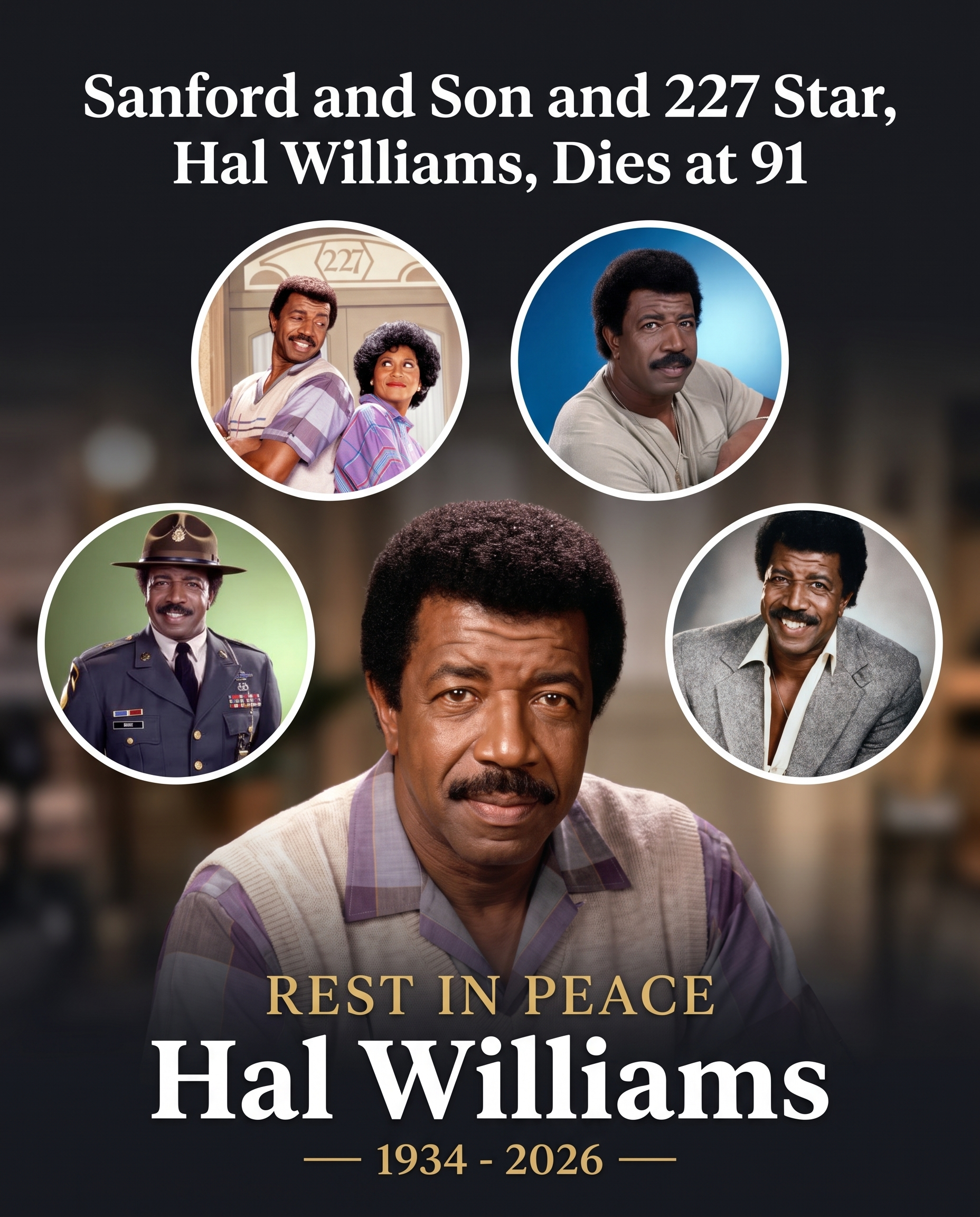
A lot of celebrity death coverage gets messy right here. Rumors spread fast. Facts move slower. In Williams’ case, reputable reports have confirmed his death, his age, and the location. They have not, as of now, offered a fuller public explanation of the cause. That may change. Or it may stay private, which families sometimes prefer.
So, yes: Hal Williams has died at 91. No: a detailed cause of death has not been widely released.
Why Hal Williams meant more than a headline
Williams was best known for playing Officer “Smitty” Smith on Sanford and Son and Lester Jenkins on 227. Those weren’t just familiar sitcom roles. They were steady, human performances. Warm. Funny. Grounded.
And that kind of acting lasts.
I’ve always thought performers like Williams often get flattened in quick obituary coverage. You see the two most famous credits, maybe one quote, then the story moves on. But his career had a deeper texture than that — actually, let me rephrase that. His career showed what long-haul television work looked like before fame became so loud and so instant.
He didn’t begin as a young Hollywood prodigy. Before acting, he worked as a postal worker and a corrections officer. Later, after moving to Los Angeles in 1968, he started building a screen career in his 30s. That’s one reason his story hits differently. It feels earned.
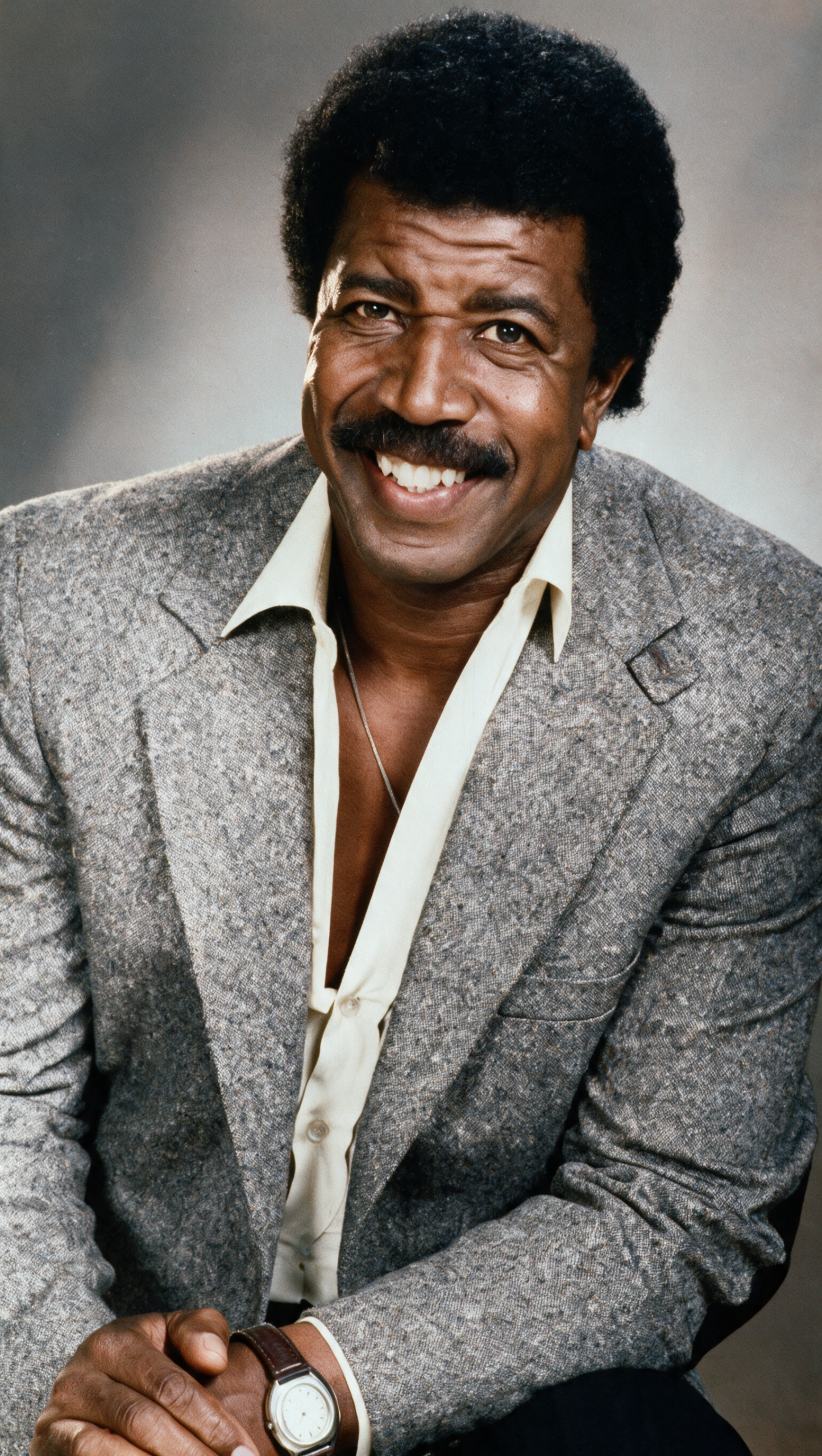
He once spoke candidly about keeping an overnight post office shift while Sanford and Son was in production because he didn’t feel financially secure enough to quit. That detail sticks. Not glamorous. Very real.
What is confirmed about Hal Williams’ death?
Here’s the clean version, mates:
- Date of death: July 15, 2026
- Age: 91
- Place of death: His home in California
- Cause of death: Not publicly specified in widely cited reporting at publication time
That lack of detail is a limitation in the current reporting. It’s worth being direct about that rather than pretending certainty we don’t have. Another limitation: some early reports on his career history needed small corrections, which happens on deadline-driven news pieces. Best to stay with confirmed basics.
A quick look at the roles people remember most
| Work | Role | Years / Release | Why it mattered | Limitation or note | Reader interest rating |
|---|---|---|---|---|---|
| Sanford and Son | Officer “Smitty” Smith | 1972–1977 run; 22 episodes for Williams | Made him a familiar TV face | Supporting role, so newer viewers may not know his name right away | 9/10 |
| 227 | Lester Jenkins | 1985–1990 | Helped shape one of TV’s memorable Black family sitcoms | Often overshadowed in retrospectives by flashier co-stars | 10/10 |
| Private Benjamin | Film and later TV-related role | 1980 onward | Showed his range beyond one sitcom lane | Not his most iconic credit for general audiences | 7/10 |
| The Waltons / other TV guest roles | Various | 1970s–2000s | Proved his longevity and reliability as a character actor | Harder for casual readers to track because the roles were spread out | 7.5/10 |
The legacy of 227 feels especially big now
If you grew up with 227, you probably remember its rhythm before any single plot. The block. The banter. The family feeling. Williams, as Lester Jenkins, gave the show stability.
Jackée Harry wrote after his death: “What a gentleman. Hal always carried himself with grace, and he always had me laughing.” She added that he believed Black fathers on TV should be loving, present, and compassionate.
That quote says a lot.
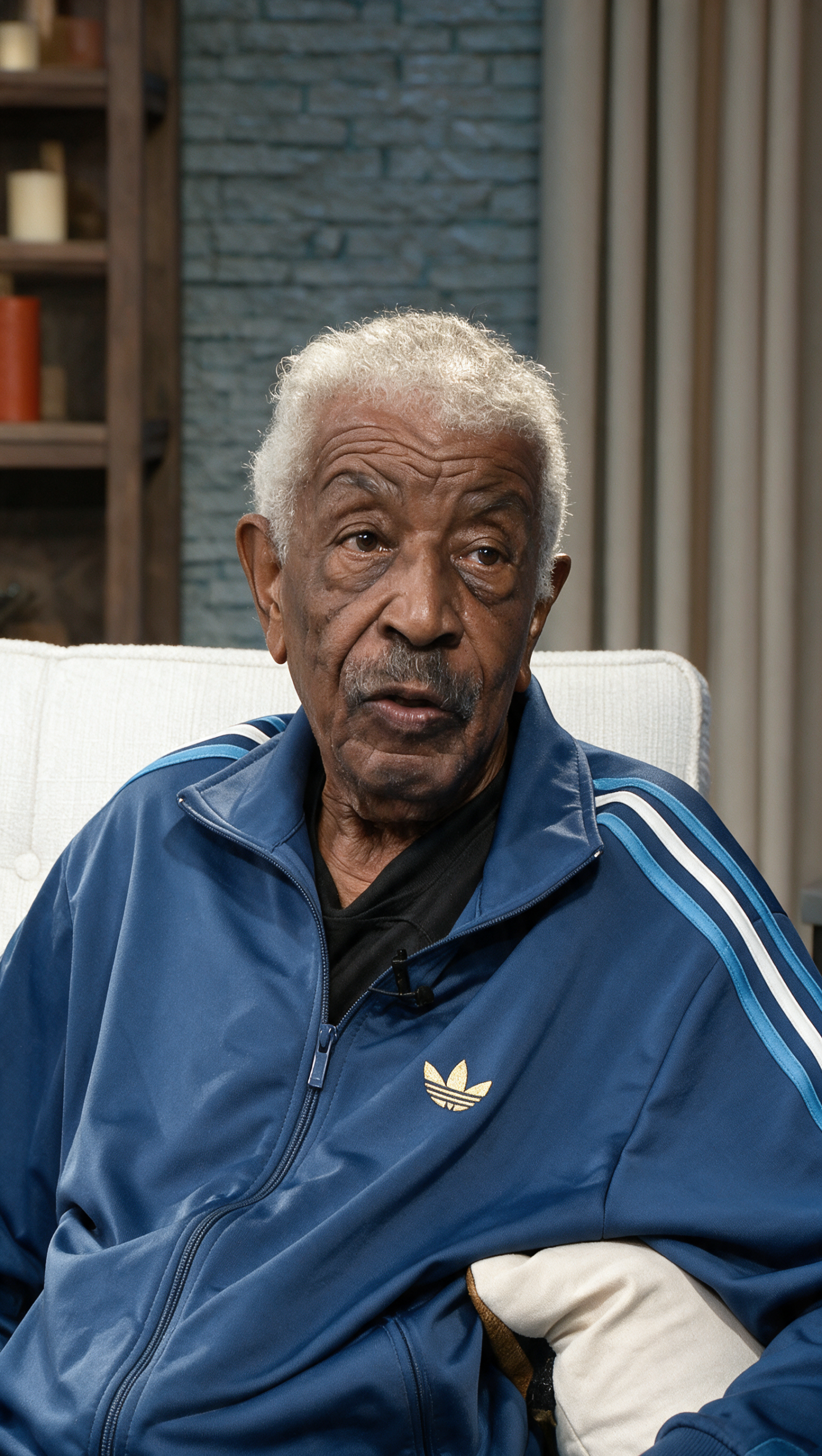
Because for plenty of viewers, Williams wasn’t just “that actor from an old sitcom.” He was part of a broader shift in representation. A calm father. A decent man. Someone not written as a stereotype.
Which brings up something I probably should have mentioned earlier—television history is often remembered through stars, but just as often it’s carried by working actors who make a scene believable. Williams was one of those people.
A career built the slow way
There’s a quote from Williams that deserves to be repeated. He told young people that if they were chasing mansions and limousines, they should prepare for rejection, because “overnight sensations usually take 25 years.”
That line doesn’t sound polished by a publicist. That’s probably why it lands.
A few years back, I went down a rabbit hole reading interviews with older TV actors, and the same theme kept coming up: stability mattered as much as fame. Williams’ path fits that pattern. He worked. He kept working. He lasted.
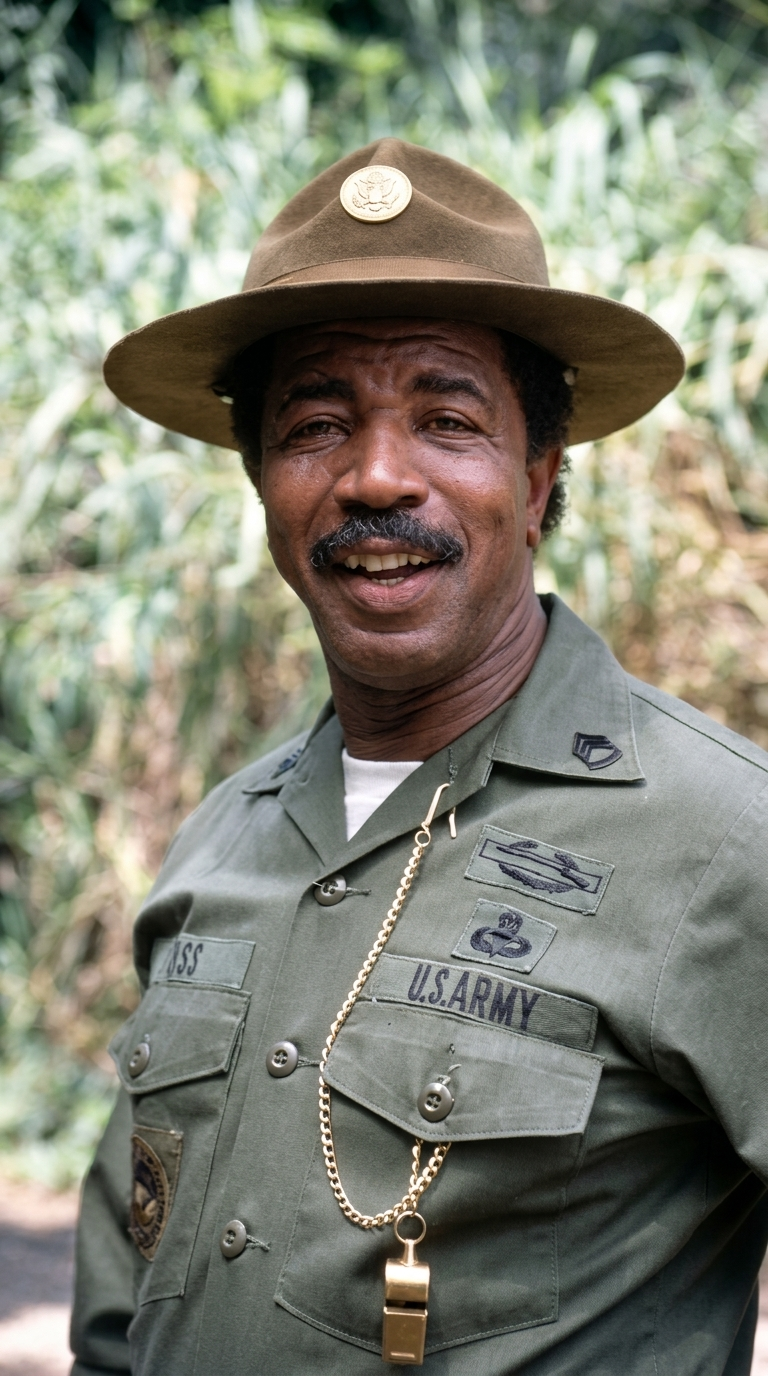
His credits stretched beyond Sanford and Son and 227 to titles such as The Waltons, Hill Street Blues, Moesha, Knots Landing, The Sinbad Show, and even the later Matlock remake led by Kathy Bates. That range matters because it shows he wasn’t a nostalgia-only figure. He kept showing up.
So, what should readers take away?
First, the news itself is sad. Hal Williams has died at 91.
Second, if you’re searching “Hal Williams cause of death,” the honest answer is simple: the exact cause has not been publicly disclosed in widely available reporting so far. If that changes, responsible outlets will update their coverage.
Third — and this is the bigger bit, buds — his legacy isn’t hard to find. It’s in reruns, in sitcom history, and in the image of Black fatherhood on American television that he helped make warmer and fuller.
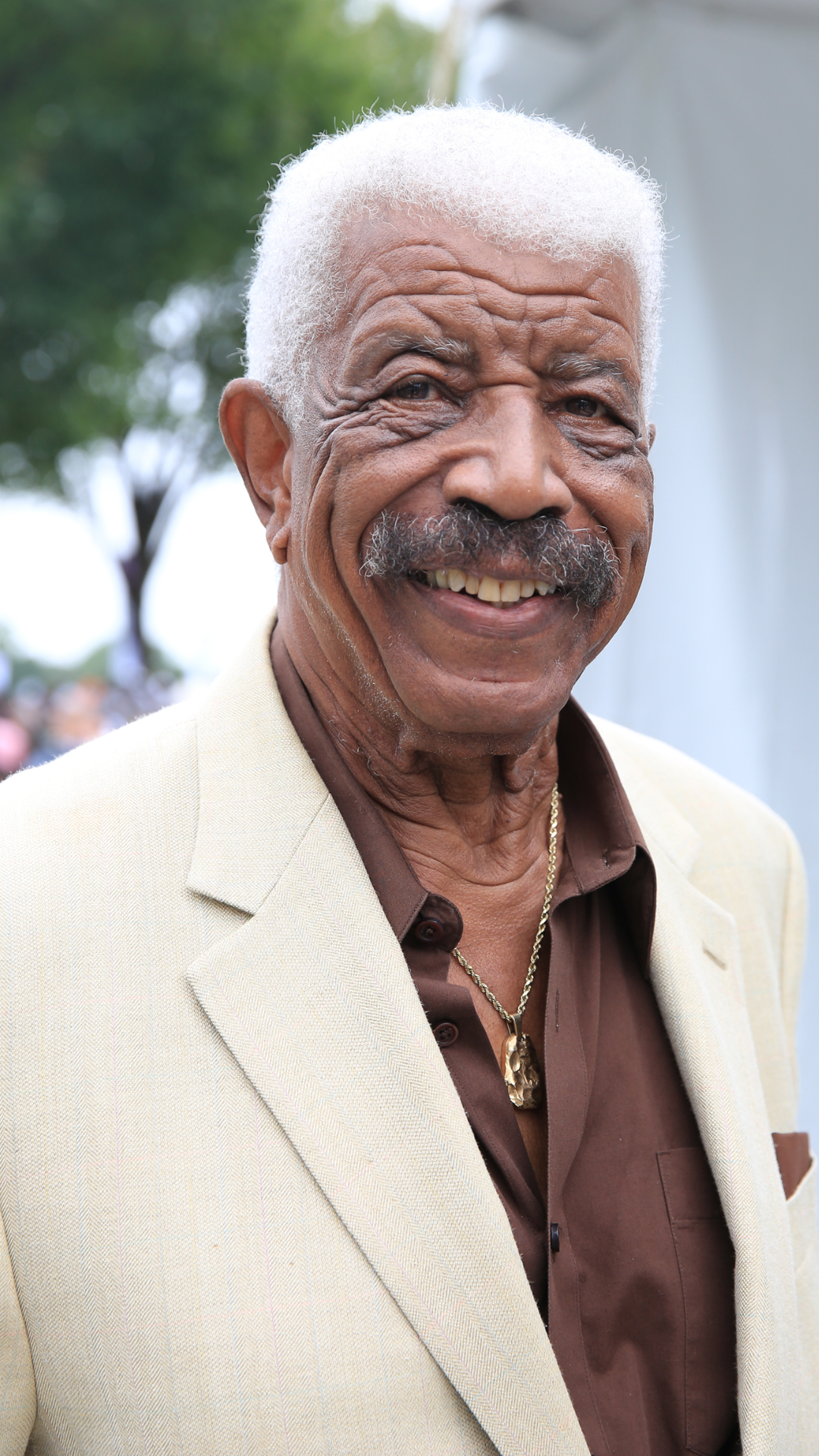
His career also had constraints. He wasn’t always given the flashiest parts. Some of his best work sat inside ensemble shows, which can blur recognition over time. But maybe that’s also the point. He became part of the fabric of American TV without ever needing to shout.
And good actors do that. Quietly, sometimes.
Sources and verification notes
This article is based on confirmed reporting from Williams’ representative as cited by major news coverage, along with previously published interview remarks from Hal Williams and public tributes from co-star Jackée Harry. No detailed medical cause of death has been publicly confirmed in the reporting reviewed at the time of writing.
