
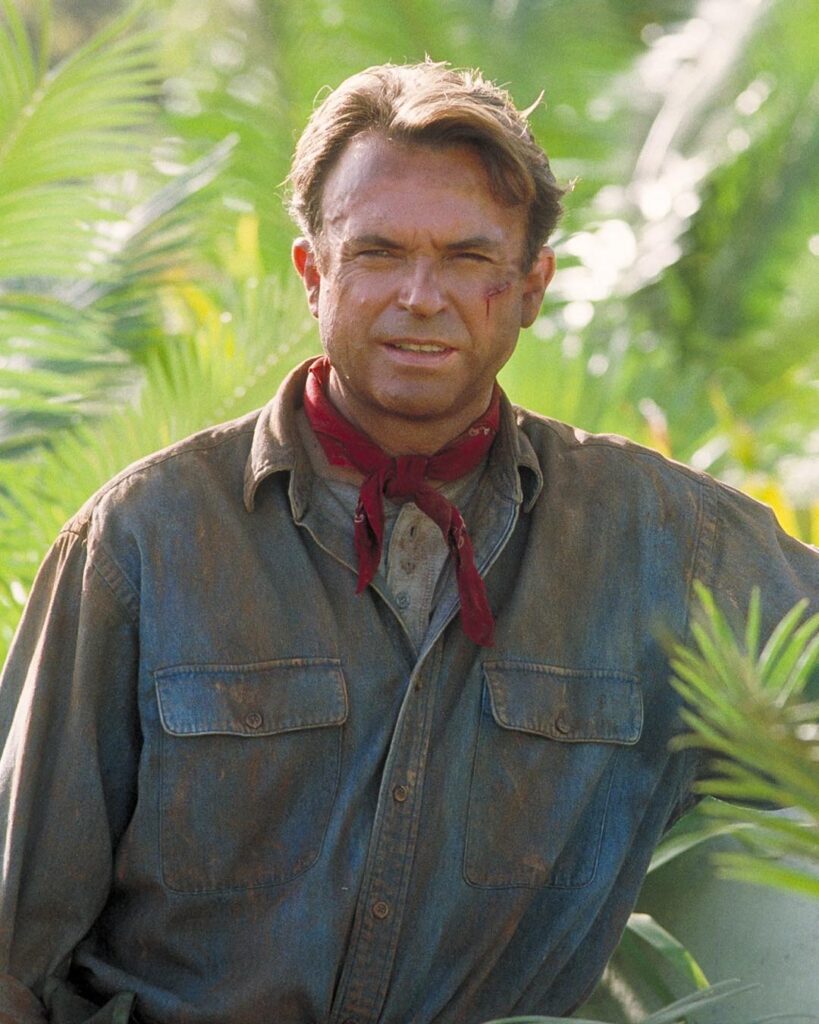
Sam Neill dies at 78: what’s confirmed, what isn’t, and why fans feel this one deeply
A lot of celebrity death stories get noisy fast. Rumors jump ahead of facts. Names trend before families can even breathe.
That’s why this one needs care.
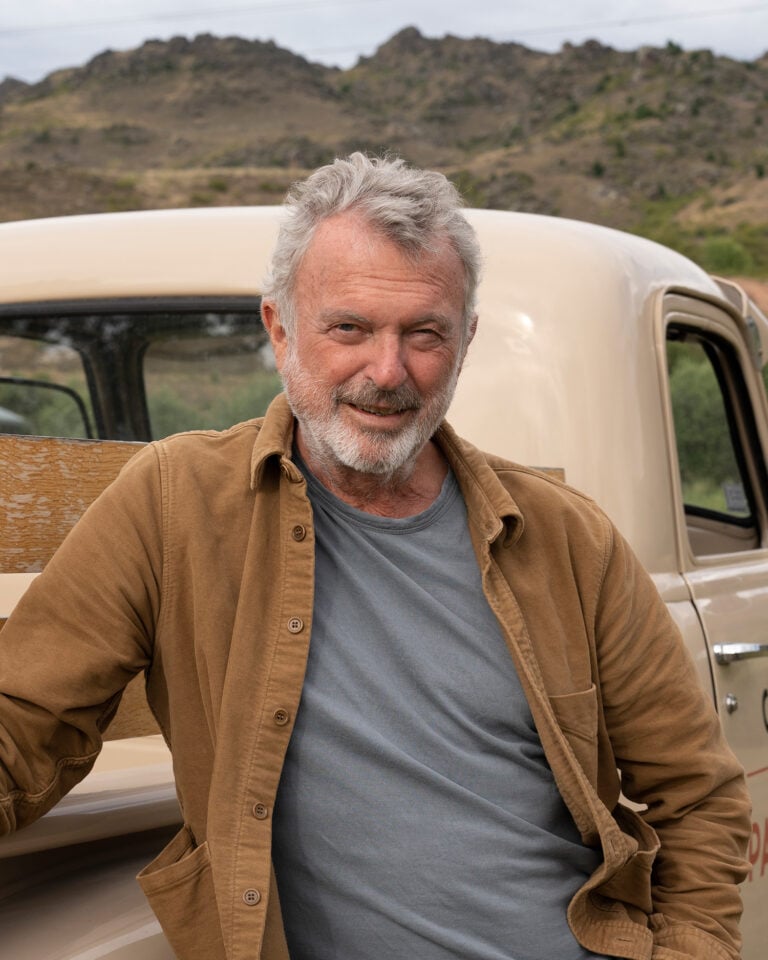
Reports state that Sam Neill, the actor many people still picture first as Dr. Alan Grant in Jurassic Park, has died at 78. The key detail people are searching for is simple: what was the cause of death?
Here’s the careful answer, folks. Based on the reference report provided, Neill’s family said his death was “sudden and unexpected,” and also said he had remained “cancer free.” That matters. It suggests his previously disclosed blood cancer was not presented by the family as the direct cause of death in that statement. Still, no fuller medical cause was publicly detailed in the reference material. So if you’ve seen social posts claiming a specific final diagnosis with certainty, hold up. That part hasn’t been firmly documented there.
What has been confirmed so far
The strongest reporting point in the reference piece is the family statement posted to Neill’s Instagram page. It described the loss as sudden. It also thanked staff at St Vincent’s Private Hospital in Sydney for his care.
That gives readers two useful anchors. First, the death was announced by family, not random accounts. Second, the statement directly addressed his cancer status.
Here’s a quick breakdown.
| Key point | What’s been reported | Why it matters | Constraint or caution |
|---|---|---|---|
| Death at 78 | Reported by major news coverage citing family | Establishes the basic fact | Readers should still look for family or major outlet confirmation |
| Cause of death | Not fully specified in the reference text | Prevents reckless guessing | No detailed medical cause was published there |
| Cancer history | Neill had publicly discussed angioimmunoblastic T-cell lymphoma | Important health context | Health history is not the same as confirmed final cause |
| Final days | Family said he was surrounded by relatives and cared for in hospital | Adds human context | Hospital care alone doesn’t define exact cause |
So, was it cancer?
Not according to the family statement as quoted in the reference article. Or, at the very least, not in any direct and confirmed way.
That distinction is small, but huge.
Neill revealed in 2023 that he had been diagnosed with angioimmunoblastic T-cell lymphoma, a rare and aggressive blood cancer. Coverage at the time drew from interviews around his memoir, Did I Ever Tell You This? He spoke openly about chemotherapy and treatment. He also said later that he was cancer free. If you’re trying to connect the dots, that’s understandable. People do that. I do that too sometimes, then I have to stop and ask: am I reading facts, or filling gaps?
In this case, the gap remains.
Why this death hits harder than a standard headline
Some actors are famous. Sam Neill felt familiar.
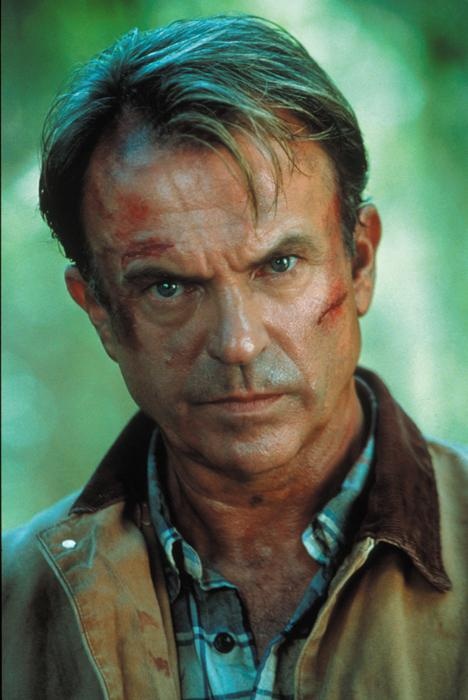
He had that rare quality of being instantly recognizable without seeming distant. In Jurassic Park, he didn’t play a superhero or wisecracking action lead. He played intelligence, caution, dry humor, and a kind of reluctant courage. A lot of us grew up with that performance. I did. The scene where Alan Grant first sees the dinosaurs still lands, even now, maybe because Neill sold awe without overselling it.
Which brings up something I probably should have mentioned earlier—his appeal was never just nostalgia. The man worked across five decades, genres, and countries. The Piano, Event Horizon, The Hunt for Red October, Peaky Blinders, Apples Never Fall. Big range. Odd range, even. Good odd.
A minor truth, though: not every later project had the same cultural weight as Jurassic Park. And some younger readers may know the meme-able farm videos more than the deeper filmography. That’s not disrespect. It just shows how broad his public life became.
The quote that now feels different
One of the most striking public comments from Neill came in a later interview when he said he wasn’t afraid of dying, but thought it would be “very irritating.”
That line stuck because it sounded like him. Dry. Clear-eyed. A little cheeky.
The reference article also quoted him telling CNN in 2023: “It’s been a very happy, surprising life.” That’s the kind of sentence people repeat after someone is gone because it helps shape the memory. Not in a fake polished way. More like a final note that already knew itself.
Karl Urban, fellow New Zealand actor, reportedly called him “an inspiration” and “a national treasure.” That tracks. It doesn’t feel inflated.
A fuller picture of Sam Neill, beyond the movies
The reference piece did one thing well: it reminded readers that Neill’s life outside film mattered too. He spent much of his time on his New Zealand farm. He built Two Paddocks, an organic winery launched in 1993. He was active in environmental causes. He was funny online in a way that didn’t feel manufactured. Honestly, that’s rare.
And yes, there are limits to obituary-style coverage. A short breaking report can’t fully show the texture of a person’s life. It also can’t resolve every medical question right away. That’s a weakness of fast news, not necessarily bad journalism.
Actually, wait. One more thing. Readers often want one neat sentence: “He died of X.” But reality can be messier than that. Families sometimes release broad statements first. Detailed causes can come later. Or not at all.
What readers should take away
If you came here searching “Sam Neill dies at 78 cause of death,” here’s the straight answer.
Sam Neill’s death at 78 was reported with a family statement saying it was sudden and unexpected. The same statement said he had remained cancer free. Based on the material provided, no more specific medical cause was publicly confirmed there.
That means anything more definite should be treated carefully until backed by family, representatives, or strong reporting.
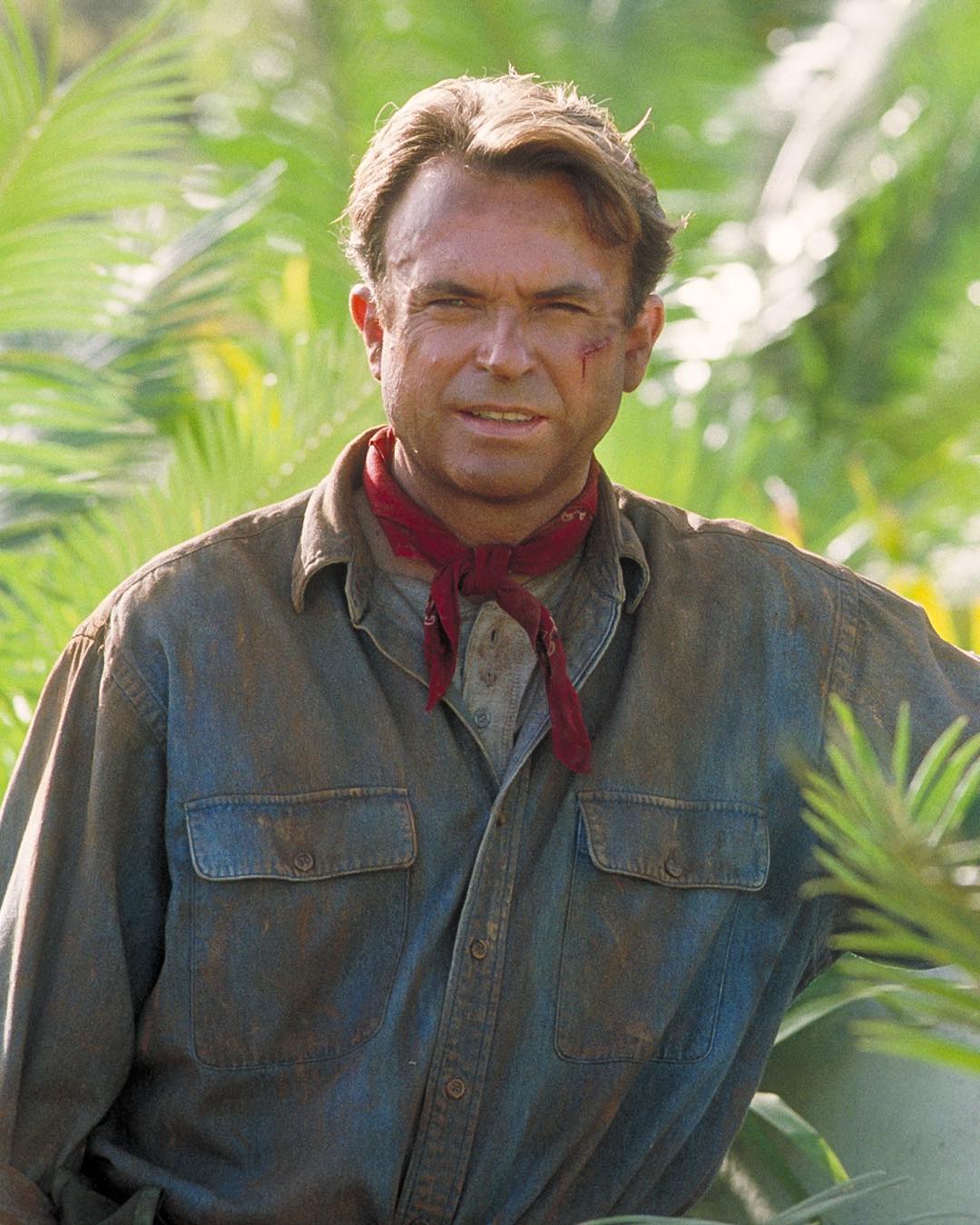
For many fans, though, the bigger truth isn’t medical. It’s emotional. Sam Neill belonged to that small club of actors who could make intelligence look cool, kindness look unsentimental, and aging look almost mischievous. Not flashy. Just lasting.
And lasting counts.
